Laboratory setup consultant in India for practical, scope-led planning.
Starting a new testing laboratory or expanding an existing facility? CompliLab Advisory helps convert your proposed testing scope into a coordinated plan for space, workflow, equipment, utilities, people, documentation and operational readiness.
For WhatsApp or email, press Send in the app that opens.
Support matched to your project
Testing scope and feasibility
Define intended products, parameters, methods, expected sample volumes and phased priorities before committing to infrastructure.
Layout, workflow and utilities
Plan sample receipt, preparation, testing, storage and reporting flows. Identify utility and environmental-control needs for coordination with qualified designers and contractors.
Equipment and budget planning
Prepare an equipment requirement list, technical comparison criteria and a phased budget framework, including calibration, consumables and maintenance considerations.
People and training
Map staffing roles and competence needs, with training support for agreed procedures, records and laboratory workflows.
SOPs and quality documentation
Develop practical procedures and formats for sample handling, equipment use, records, reporting and document control within the agreed scope.
Operational readiness
Review installation records, utility readiness, equipment status and trial-workflow evidence; identify open actions before routine work begins.
VISUAL PLANNING IDEAS
See how a laboratory could take shape
Explore layout, analytical, microbiology and food-testing concepts while planning your own scope and workflow.
2 visual examples
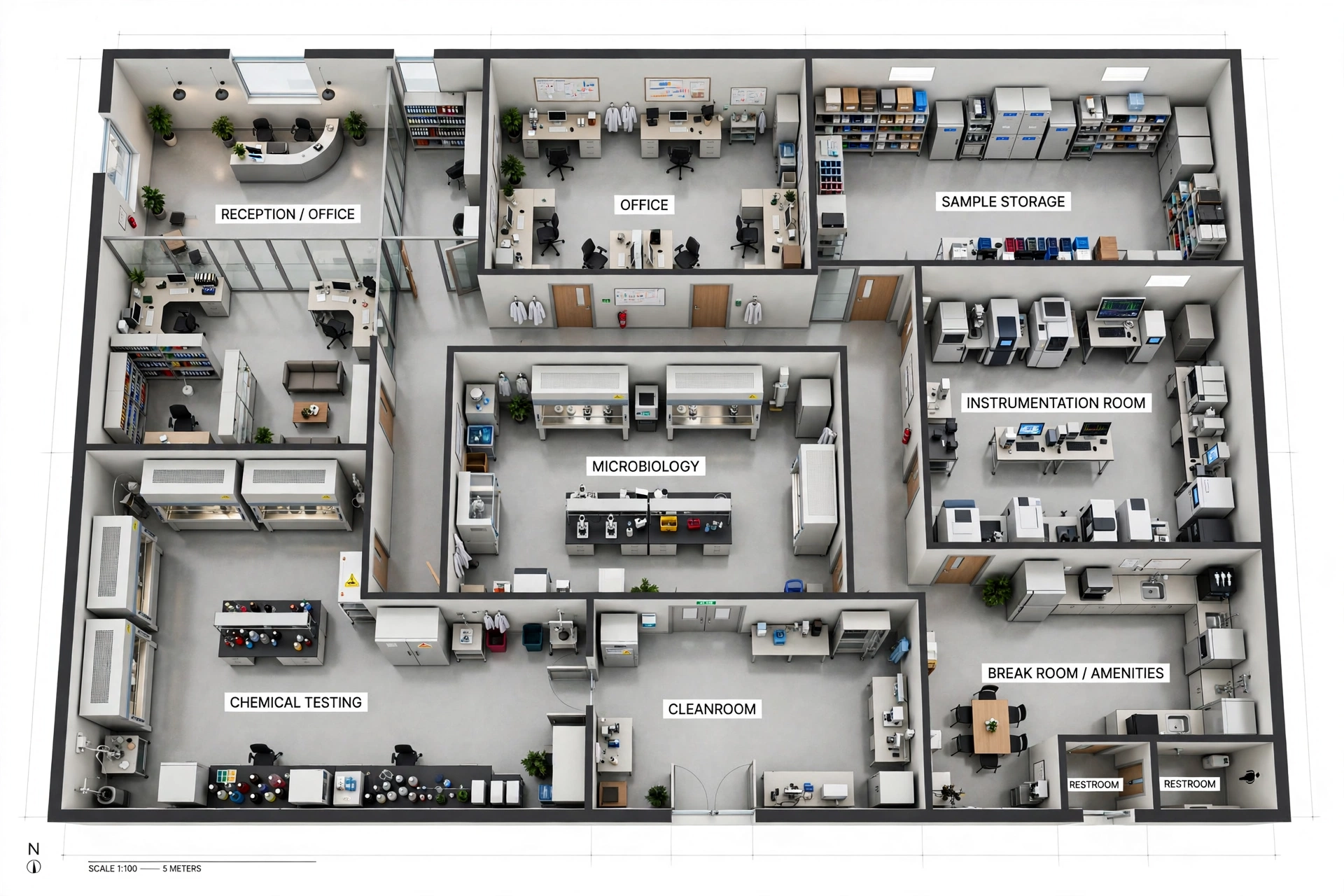
01Layout and workflow concept02Scope and layout planning
Illustrative visuals supplied for planning inspiration. They do not depict a CompliLab-owned facility, its personnel, an approved layout or an accreditation certificate. Final design and approvals depend on the actual site and testing scope.
Laboratory layout views
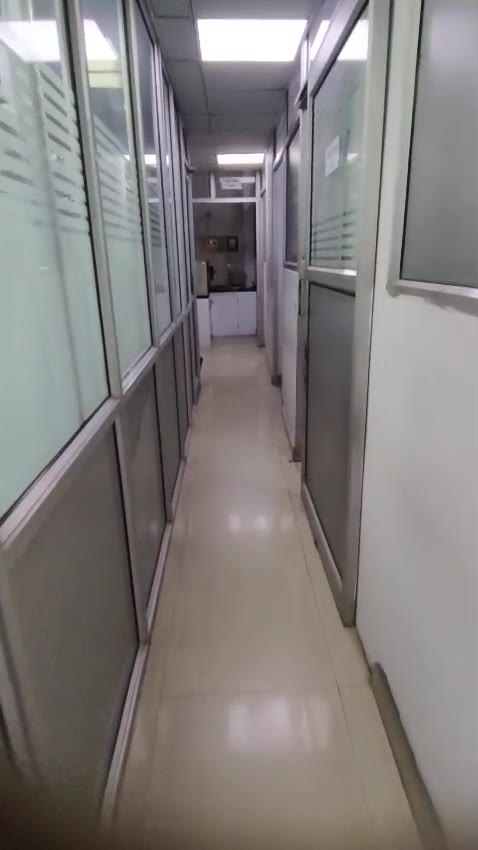
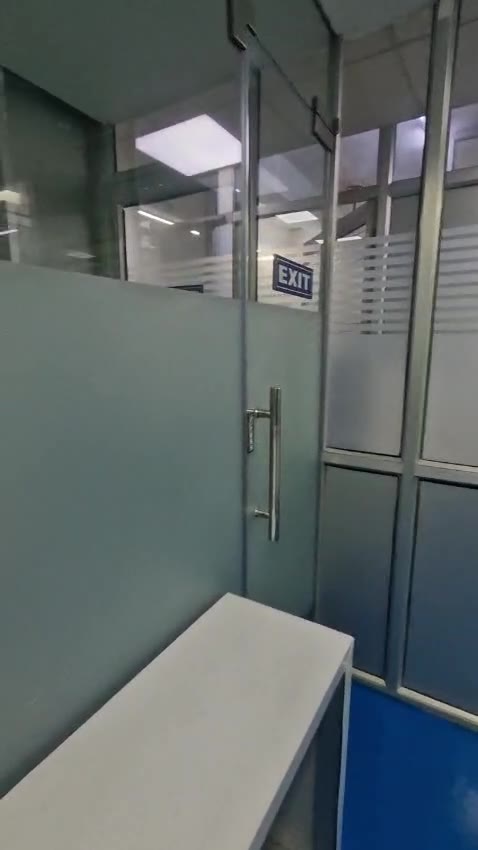
Selected views of laboratory circulation and access from supplied videos.
Partitioned circulation and work zonesControlled access between rooms
A clear sequence, from discussion to readiness
01. Discuss the laboratory objective, proposed scope and site constraints.
02. Review available plans and identify technical, resource and documentation gaps.
03. Agree the consultancy scope, deliverables and phased action plan.
04. Support equipment planning, workflow documentation and implementation coordination.
05. Review readiness evidence and hand over a prioritised list of remaining actions.
What the proposal can include
Scope and planning brief
Equipment and utility requirement matrix
Workflow and documentation plan
Training priorities and operational-readiness checklist
Deliverables, responsibilities, fees and milestones are agreed in writing before work starts.
Prepare for the first discussion
Laboratory discipline and proposed product / test list
Site location, available floor area and layout, if available
Existing equipment and utility information
Expected sample volumes, staffing and project stage
Indicative budget and target completion date
If some information is not yet available, start with your objective and current project stage.
Frequently asked questions
What should be decided before setting up a testing laboratory?
Start with the intended products, test parameters, methods, expected sample volume, regulatory purpose and future accreditation scope. These decisions drive the layout, utilities, equipment, staffing and budget.
Can laboratory setup be planned in phases?
Yes. A phased plan can prioritise essential tests, equipment and utilities first, with expansion stages linked to demand, competence and budget.
Does laboratory setup consultancy include NABL preparation?
Laboratory setup and NABL accreditation preparation can be scoped together or separately. Accreditation readiness also requires competence records, validated or verified methods, quality controls and an implemented management system.
Which laboratory disciplines can be planned?
Planning can be adapted to the proposed discipline and scope, including food, chemical, electrical, electronic and other testing areas, subject to specialist safety, engineering and regulatory requirements.